News
March 17, 2026
New DUC partnership boosts on-farm research in Manitoba
Ducks Unlimited Canada provides land to Brandon research farm
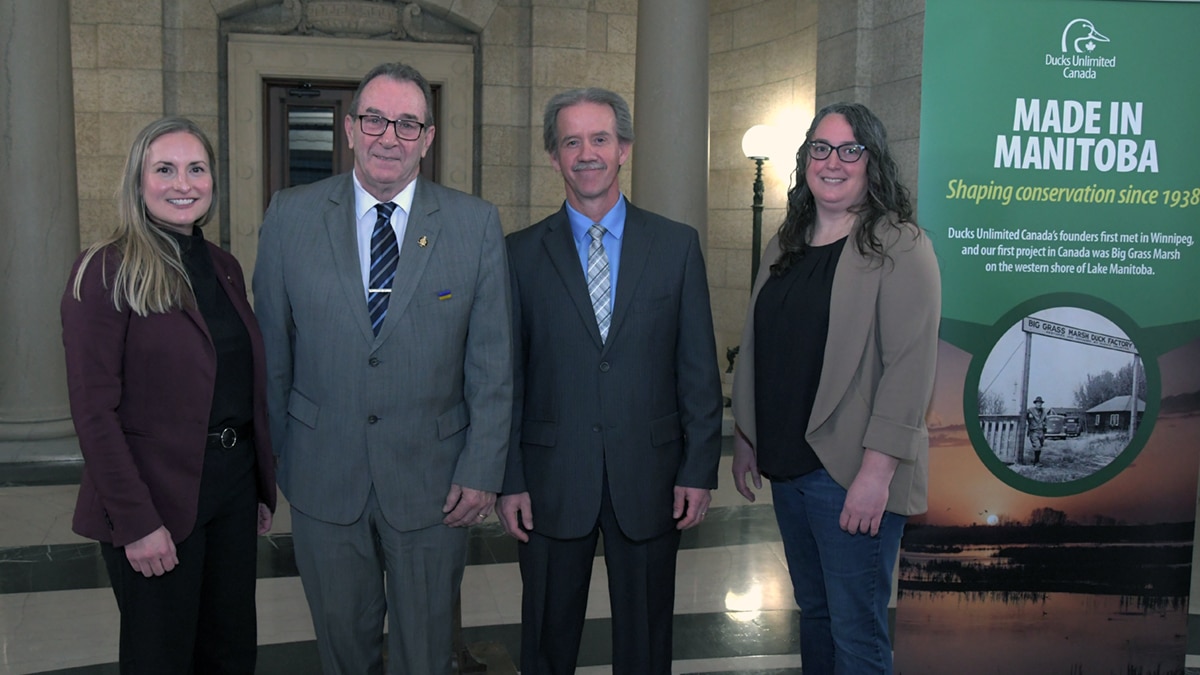
To further support Manitoba farmers, Ducks Unlimited Canada (DUC) is providing the use of $1 million of land to expand a research and demonstration centre near Brandon operated by Manitoba Beef & Forage Initiatives (MBFI).
The Brookdale Research Farm will now include the Odanah Pasture to the north, boosting the farm’s size by 42 per cent and increasing opportunities for science and producer activities to advance the forage industry and beef cattle production. With over 6,500 cattle farms in the province, beef is a billion-dollar sector in Manitoba.
The announcement at the Manitoba Legislative Building with provincial agriculture minister Ron Kostyshyn marks two important dates: Manitoba Agriculture Awareness Day on the third Tuesday in March promoting the sector’s economic, social and environmental contributions; and the third annual DUC Day on March 17, enacted by provincial legislation to acknowledge DUC’s conservation leadership.
“Ducks Unlimited Canada has been a champion for Manitoba farmers since we began operations in 1938,” says DUC Head of Communications and Outreach – Prairies, Karli Reimer. “This land partnership builds upon that history of collaboration, providing opportunity for new research to make farms more profitable and resilient.”
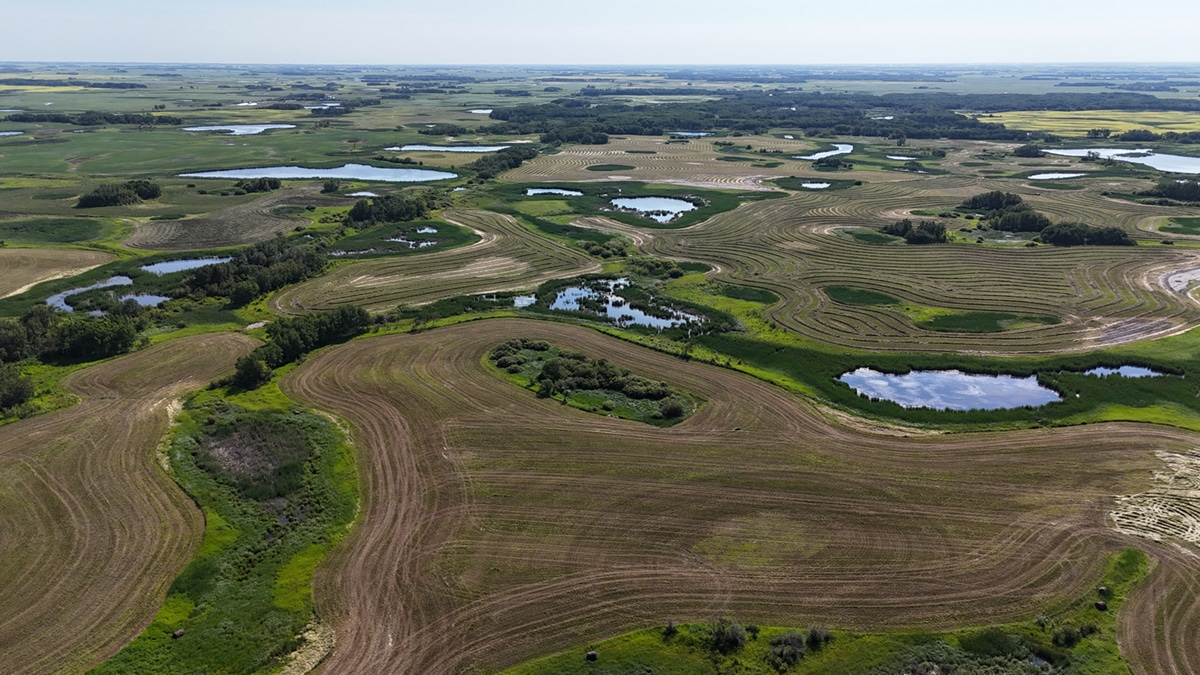
Located in the Rural Municipality of Minto-Odanah, the 467 acres were acquired by DUC in 2020 through a private sale funded by conservation-minded government agencies in Canada and the USA. As DUC restored drained wetlands and uplands previously used for crop production to their natural state with financial support from Manitoba’s Conservation Trust, the exciting opportunity to expand research capacity was recognized. Discussions began with MBFI on long-term use of the Odanah Pasture, which is primarily grassland with 123 wetland basins.
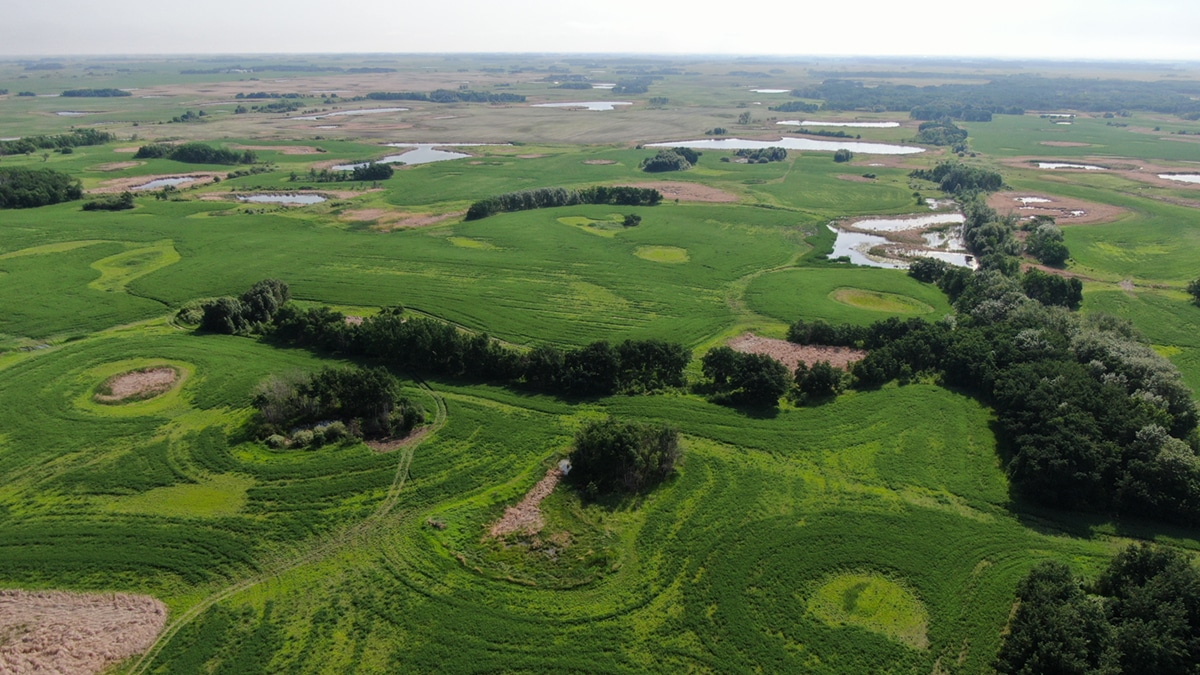
“It’s a blank canvas, ready for us to approach projects in new ways,” says MBFI General Manager Mary-Jane Orr. “This land provides the opportunity to ask questions on a commercial scale. The benefit will be more representative of the context of beef operations, which ultimately means better research to help producers.”
MBFI has already engaged with producers, industry representatives and academic researchers to guide land-use direction. Recommendations emphasize retaining the commercial scale of study, benchmarking the transition from tame hay production to high-capacity rotational grazing and – most importantly – transparent capture of the economics of grazing. For the 2026 season, the MBFI board of directors is developing a producer collaboration case study to showcase virtual fencing and grazing system economics at scale.
“As a producer in the Ducks Unlimited Canada target landscape, I see the value of research that helps us manage grasslands in ways that support productive cattle operations, healthy ecosystems and biodiversity,” explains Melissa Atchison, a cattle farmer from Pipestone who works as a Research and Extension Specialist with Manitoba Beef Producers and is current Finance Chair with Beef Cattle Research Council (BCRC). “In landscapes like this, cattle grazing and conservation go hand in hand. As a fellow core funding partner of MBFI, Manitoba Beef Producers applauds DUC on their strong partnership and collaboration. This expansion will increase MBFI’s capacity to quantify, validate, and qualify beneficial practices on a field scale to support research and demonstration activities that help strengthen the long-term environmental and economic sustainability on these unique landscapes.”
DUC was a founding partner of MBFI in 2014 and continues to be a core partner with Manitoba Beef Producers and the Manitoba government. MBFI manages nearly 2,000 acres – with more than half owned by DUC – for field-scale research and farm demonstrations to improve economic and environmental impacts of beef production. Projects include precision ranching, rangeland drought response, soil health assessment, pasture rejuvenation, habitat assessment, herd health and forage variety testing.
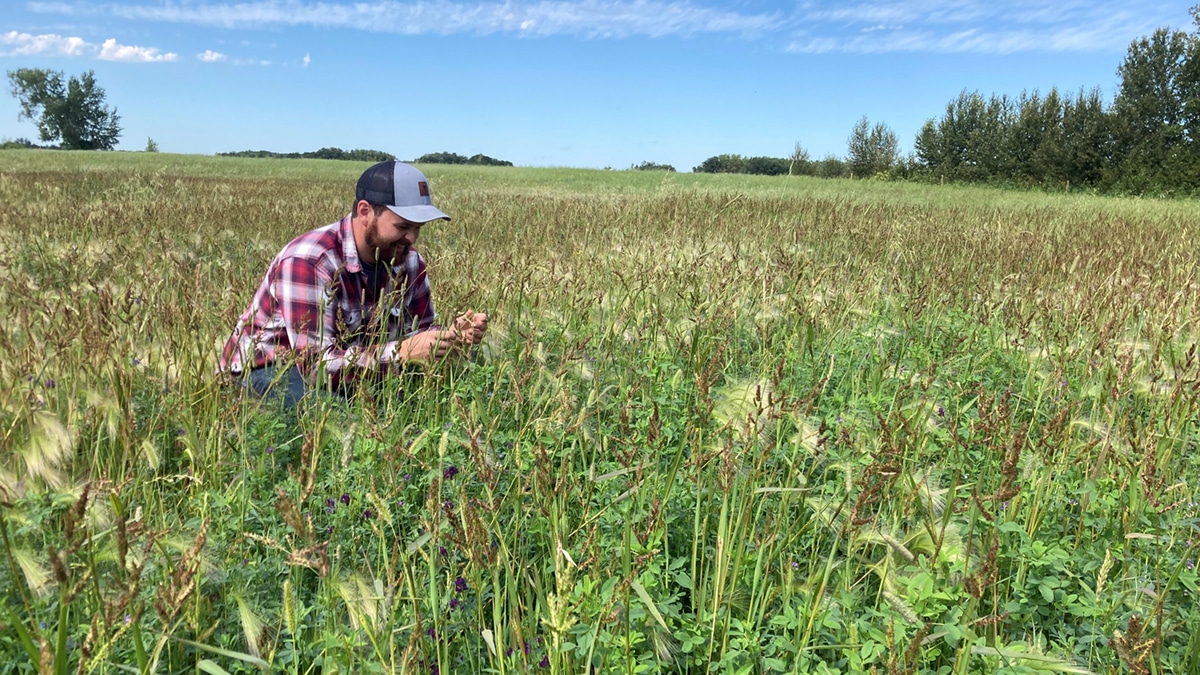
“This partnership is a win for habitat restoration and a win for forage and livestock production,” says Reimer. “In the future, farmers will use data from the newly expanded Brookdale Research Farm to make land use decisions that are beneficial to their operation and the environment.”
In 2025, DUC provided Manitoba farmers with nearly $12 million in direct financial incentives for restoring and conserving habitat. The average payment to a landowner through a DUC conservation easement was $137,000. In every case, landowners retain ownership of their property and decide which portions of their land to conserve. DUC also offers incentives and industry-leading agronomic advice for farmers seeding forage, growing winter wheat and rehabilitating marginal soil areas. New in 2026, RangeFlex will provide Manitoba beef producers with knowledge and cash to improve their pastures, enabling better profits per acre from grazing herds. Learn more about DUC programs at: ag.ducks.ca/programs/manitoba/.